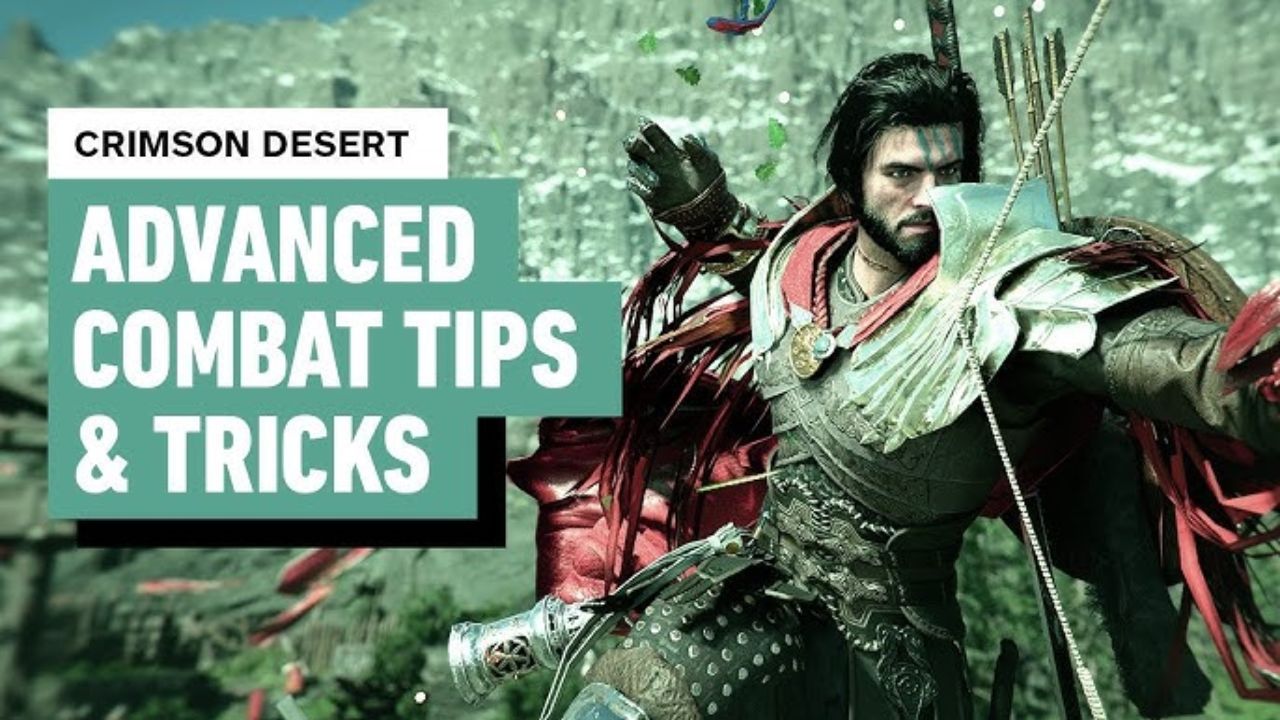
Crimson Desert Combat System: Crimson Desert launched on March 19, 2026, and one thing became crystal clear within the first hour of gameplay — this is not your average hack-and-slash. Pearl Abyss has built one of the most layered, physics-driven combat systems in recent memory, and if you walk in expecting to button-mash your way through it, the game will punish you hard. The Crimson Desert combat system is built around timing, combo chaining, weapon flexibility, and smart resource management. From the moment you step into your first real fight as Kliff, you realize that every enemy, every boss, and every encounter has its own rhythm. This guide breaks down everything — parrying, dodging, weapons, the Axiom Bracelet, the Abyss Skill Tree, boss strategies, and the mechanics most players miss entirely.
Crimson Desert Combat System Overview
| Detail | Information |
|---|---|
| Game Title | Crimson Desert |
| Developer | Pearl Abyss |
| Publisher | Pearl Abyss |
| Release Date | March 19–20, 2026 |
| Platforms | PS5, Xbox Series X/S, PC (Steam, Epic Games Store), Mac |
| Genre | Open-World Action RPG |
| Combat Style | Physics-Based, Combo-Driven, Skill-Tree Progression |
| Playable Characters | Kliff (main), Damiane, Oongka |
| Key Combat Features | Parry, Counter, Dodge, Grapple, Weapon Swap, Axiom Bracelet Elemental System |
| Difficulty | Single balanced curve — no easy/hard mode |
Crimson Desert Combat: What Makes It Different
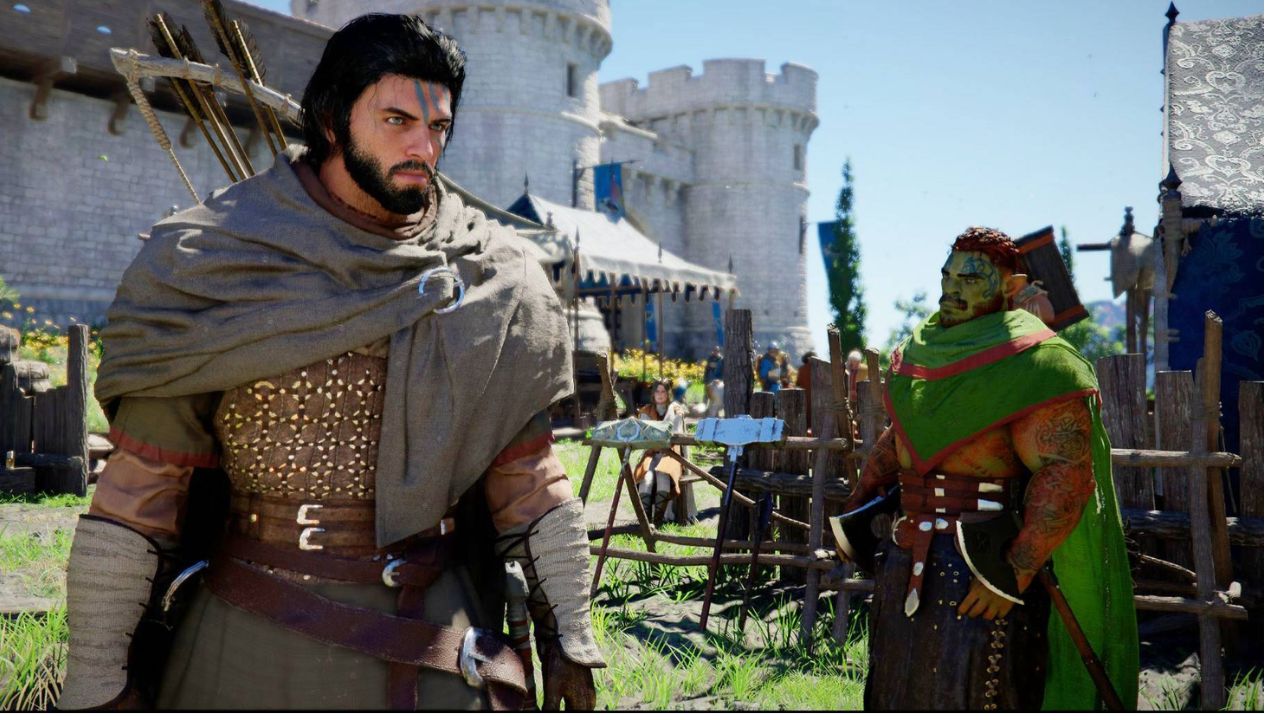
Most action RPGs give you a light attack button, a dodge roll, and let you work out the rest. Crimson Desert does not operate that way. From the very start, the game expects you to understand that combat here is closer in philosophy to a fighting game than an open-world RPG. Pearl Abyss designed every encounter around one idea: there is no single correct answer. How you fight, what weapons you carry, which skills you invest in, and how you respond to enemy patterns — all of it is up to you, and all of it matters.
The foundation of the combat is physics-driven. Enemies don’t just fall over when you hit them — they react based on momentum, weight, and direction. A heavy axe swing sends a light enemy stumbling sideways. A grapple throw sends a knight crashing into a wall. Knockback isn’t an animation — it’s a real interaction with the environment around you. This single design decision makes every fight feel grounded and alive in a way that most modern action games don’t come close to.
Three Playable Characters, Three Different Combat Identities
One of the most underappreciated aspects of Crimson Desert’s combat is that you eventually control three different characters, each with a completely distinct fighting style.
- Kliff — The main protagonist. Excels at blending swords, bows, and evasive movement. Most flexible playstyle. Best for players who want to mix ranged and melee fluidly.
- Damiane — Pure aggression. Rapid attacks, precision-focused, rewards mastery of dodge timing and positioning. Her combos hit fast and require you to stay close.
- Oongka — Power fighter. Devastating area-of-effect skills, powerful ranged weapon, and unique dual-wield options. Excellent for crowd control scenarios.
Importantly, Health, Stamina, and Spirit levels are shared across all three characters. However, individual skill trees still require separate Abyss Artifact investment. The smart play is to prioritize Kliff’s tree first since he handles the majority of the main story content. Once Damiane and Oongka unlock, you can branch out based on your preferred style.
Weapon System: No Single Right Answer
Crimson Desert gives you a genuinely wide arsenal. You can carry and swap between swords, shields, spears, greatswords, axes, dual-wield combinations, and several ranged weapon options. Each weapon type isn’t just a different damage number — it changes how you approach every single encounter.
Weapon Types and What They’re Best For
| Weapon | Strength | Best Used For |
|---|---|---|
| Sword and Shield | Balanced offense and defense | Boss duels, parry-heavy play |
| Greatsword | High damage, wide swing | Crowd control, armored enemies |
| Spear | Long reach, fast multi-hits | Groups, applying status effects |
| Axe | Guard-breaking, raw power | Shielded enemies, tankier foes |
| Dual Wield | Speed, combo variety | Fast-moving targets |
| Bow / Ranged | Safe damage, aerial follow-ups | Post-knockback damage, flying enemies |
| Unarmed / Grapple | Throws, slams, grabs | Finishing combos, environmental kills |
Quick Swap: The Most Important Combat Skill to Unlock
The game lets you chain weapon attacks together, but the system only becomes truly powerful once you unlock the Quick Swap skill under the Armed Combat skill tree. This requires Armed Combat to reach Level 5. Once unlocked, you can switch weapons mid-combo without breaking your attack chain — starting a sequence with a sword, finishing with a greatsword slam, and following up with a bow shot all in one fluid motion.
Pearl Abyss described Quick Swap as making weapon switching feel like swapping between fighting game characters. Each weapon is its own moveset, and learning how they connect is what separates average players from those who make fights look effortless. It’s worth noting that Damiane and Oongka can weapon swap without needing this skill — only Kliff requires it.
The Parry, Dodge, and Counter System Explained
This is where most new players struggle. Crimson Desert’s defensive mechanics are powerful — arguably the most powerful tools in the entire combat system — but the game barely explains them in its tutorial.
Parry: The Highest-Risk, Highest-Reward Defense
Parrying in Crimson Desert works off timing. You hold your guard and release it at the exact moment an incoming attack is about to connect. When done correctly, a green visual cue flashes around your character, the enemy staggers, and you gain a Counter-Attack window that deals roughly 2.5 times your normal damage output. Even more useful: a successful parry instantly restores your spent Stamina and Spirit, making it the most efficient defensive option in the game for sustained fights.
The critical mistake beginners make is releasing the guard button between attempts. You don’t need to do this. Holding guard means that even a mistimed parry attempt will still result in a standard block, absorbing the hit. This makes parrying much safer to practice on weaker enemies before you bring it into boss fights.
One thing to memorize early: attacks that glow red cannot be parried. These are unblockable moves used primarily by bosses. When you see red, dodge — don’t block.
Perfect Dodge: The Safer Alternative
The Perfect Dodge or backstep requires unlocking Keen Senses to Level 2 by spending one Abyss Artifact. On controller, it’s B or Circle. On keyboard, it’s Alt. Time it within the correct window and Kliff performs a backstep that avoids the incoming attack entirely, restoring Stamina and Spirit in the process just like a successful parry.
Dodge is the recommended option for beginners because the penalty for mistiming is lower. If your dodge timing is slightly off, you still move — you just don’t get the recovery bonus. Compare that to a mistimed parry, which leaves you fully exposed.
Counter: The Most Punishing Option
The Counter skill is unlocked at Keen Senses Level 3. However, there’s a smarter way to get it for free. In Hernand, two spear-wielding guards behind the Lioncrest Manor practice the Counter technique. Stand nearby and observe them for about two seconds, and Kliff learns the move without spending a single Abyss Artifact. This is one of the best early-game secrets in Crimson Desert.
Counter requires you to press the attack button just before an incoming hit connects — essentially attacking into damage. The payoff is significant: a successful Counter interrupts the enemy’s attack entirely and staggers them. The risk is that mistiming it deals no extra protection. It’s the highest-skill option but also the highest-reward.
Quick Reference: When to Use Each Defense
| Situation | Best Defense |
|---|---|
| Single humanoid attack coming at you | Parry |
| Wide AoE sweep or area attack | Dodge |
| Surrounded by multiple enemies | Block (repositioning) |
| Aggressive humanoid boss | Counter |
| Red-glowing unblockable attack | Dodge (mandatory) |
| Grab attack | Dodge (mandatory) |
Stamina: The Resource Most Players Mismanage
Crimson Desert’s stamina system has one important distinction that trips people up: normal light attacks do not consume stamina. Only sprinting, dodging, blocking, heavy attacks, and certain skills drain the stamina bar.
This is critical knowledge. It means that when your stamina is running low, you don’t need to back off completely — you can continue applying pressure with light attacks while your stamina recovers passively. The golden rule is to always keep at least 25% stamina in reserve. If you drain it completely, Kliff staggers and becomes vulnerable for a dangerous few seconds.
Parrying is the most efficient way to restore stamina mid-fight, which is why learning it early changes the feel of the game completely. In cold or hot regions of Pywel, stamina regeneration is penalized by climate effects. In these zones, successful parries become even more valuable since they offset the environmental penalty.
The Axiom Bracelet: Elemental Combat Explained
The Axiom Bracelet is one of the most distinctive tools in Crimson Desert’s combat. It attaches elemental infusions to your attacks — fire, ice, and lightning — each with different tactical applications and a unique status buildup system.
Elemental Effects Breakdown
- Fire — Best against clustered groups. Deals area damage over time and applies Ignite (8 seconds of damage over time) when the buildup meter fills.
- Ice — Crowd control element. Slows enemy movement by 40% and applies Frozen (complete immobilization for 3 seconds) at full buildup. Creates openings for long combo windows.
- Lightning — Anti-armor element. Bypasses shields that physical attacks bounce off, deals bonus damage to armored targets, and applies Overload (AoE burst that chains to nearby enemies) at full buildup.
Switching between elements is fast and free. Get in the habit of looking at each encounter before engaging and selecting the right element. Against a shielded knight, lead with lightning. Against a group of lightly armored soldiers, fire and let the area damage do the work. Against large slow bosses, ice gives you the longest free attack windows.
The Axiom Bracelet also has its own dedicated skill tree with hidden perks that only appear once you’ve unlocked earlier nodes. Community members have compared this system to Elden Ring’s Ashes of War — a deep layer of build-crafting that rewards exploration of the skill tree rather than just investing in the most obvious upgrades.
Skill Acquisition: The Most Unique System in the Game
Crimson Desert does not use experience points or character levels. Instead, progression runs through a two-step system built around Abyss Artifacts and direct observation.
How Skills Are Learned
Step 1 — Observe: Watch an NPC or enemy perform a specific technique. Hold the observation button for approximately two seconds while they execute the move.
Step 2 — Invest: Spend an Abyss Artifact to permanently lock that technique into your Abyss Tree.
The key detail here: “Artifacts alone don’t teach you skills.” You must witness the move being performed first. Some techniques can be learned mid-combat directly from enemies, which means paying attention during fights is actually part of the progression system. One confirmed example — Kliff can observe a knight executing a kick during battle and add that exact move to his own moveset.
Abyss Skill Tree Branches
| Branch | Focus | Best For |
|---|---|---|
| Warfare (Red) | Melee damage, extended combos, weapon skills | Aggressive, offensive playstyles |
| Survival (Blue) | Stamina, health, dodge efficiency, grapples | Defensive players, beginners |
| Arcane (Green) | Axiom Bracelet powers, Spirit Gauge expansion | Elemental/ability-focused builds |
| Leadership | Camp efficiency, companion bonuses | Exploration, support systems |
For beginners, invest the first 8 to 10 points into the Survival branch. Increasing Stamina, reducing dodge cost, and boosting passive health regeneration makes every encounter more forgiving while you’re learning enemy patterns. After that, branch into Warfare to unlock Extended Combo (allows 5-hit chains instead of 3) and Parry Mastery (extends the parry window by roughly 30%).
Boss Combat: How Different Enemy Types Require Different Approaches
Boss fights in Crimson Desert are major pillars of the experience, not side events. Pearl Abyss has confirmed encounters ranging from human duelists to giant beasts, mechanical constructs, and magical entities. Each category demands a completely different approach.
Humanoid Bosses
These are the classic parry-and-counter duels. Enemies like Staglord and Fortain fight in a one-on-one style with defined attack patterns. Your parry timing is the most valuable tool here. Land the parry, trigger the green counter flash, and follow up with your heaviest combo. The Tauria Curved Sword is recommended for humanoid boss fights due to its combination of speed and stagger power.
Beast Bosses
Giant creatures like White Horn, Kearush, and Queen Stoneback Crab require a completely different mindset. Shields and parries largely don’t work on these enemies. The core strategy shifts to dodge-based combat — specifically dodging to the front-right of the enemy, which typically positions you behind them for a short attack window. The rule is: dodge, land 2 to 3 quick attacks maximum, dodge again. Greedy players who extend combos against beast bosses get punished severely.
For Kearush specifically — widely considered the hardest mid-game boss — preparation matters as much as execution. Have at least 200 Grilled Meat before entering. Upgrade your health and stamina to at least Level 4 each. Bring Palmer Pills for a self-revive in Phase 3. The community has coined a phrase around this fight: “200 grilled meats, not 100, not 150 — 200.”
Universal Boss Tips
- Eat food during combat — you can consume Grilled Meat every 2 seconds and even while attacking
- Heavy armor has no weight penalty in Crimson Desert — wear the heaviest available armor for boss fights
- Keep the weapons you earn from bosses — the Sword of the Lord (from Kailok) and the Tauria Curved Sword (from Crowcaller) are among the best weapons in the game
- Activate fast travel points just before major boss arenas — it saves you from long traversal runs if you die
Mounted Combat: A Separate Combat Layer
Crimson Desert features a mounted combat system that journalists have described as distinctly heavier and more grounded than on-foot combat. While ground combat leans into acrobatics and combo chains, horseback fighting focuses on charging, sweeping strikes, and using the mount’s own built-in attacks.
The game supports multiple mount types beyond horses — bears, raptors, direwolves, a dragon, and even a battle robot. Each mount has unique combat inputs and attack capabilities. The horse drifting mechanic allows sharp turns at speed during mounted combat, and the game’s BlackSpace Engine renders realistic physics on mounts — when Kliff rides through water, only the actually submerged parts of the horse appear wet.
One standout advanced mechanic: you can grapple enemies off their mounts mid-combat and commandeer the creature for yourself. This is listed alongside launchers and crowd-control abilities as part of the expanded unarmed combat system.
Beginner Tips: Getting Started With Crimson Desert Combat
If you’re just starting out, here are the most important things to know before you fight anything serious.
Essential Early Priorities
- Learn parrying on weak enemies first — practice against basic soldiers and wildlife before taking parry timing into boss fights
- Unlock the Counter skill for free — visit the guards behind Lioncrest Manor in Hernand and observe them instead of spending Abyss Artifacts
- Listen for audio cues when parrying — the sound design in Crimson Desert is reliable for timing, especially in chaotic group fights. Headphones make a noticeable difference
- Don’t neglect food — cooking buffs before boss fights provide meaningful stat boosts. Grilled Meat is your most important healing item
- Use your bow between attacks — when you knock an enemy away or they create distance, hold L2/LT to draw your bow and fire for essentially free damage
Advanced Strategies for Experienced Players
- Chain elemental buildups — apply ice first to slow the enemy, then switch to lightning to bypass their defensive stance. The combined status windows create longer attack opportunities
- Use the Quick Swap mid-combo — once unlocked, practice starting with a spear (for range and crowd control), transitioning to greatsword (for the heavy finisher), then bow (for the follow-up). This three-weapon chain is one of the most damaging sequences in the game
- Parry in climate zones — in hot or cold regions where stamina regen is penalized, prioritize parrying over dodging. The stamina restoration from a successful parry offsets the climate penalty
- Watch enemies during fights — you can learn moves from enemies mid-combat. Don’t just focus on surviving — occasionally hold the observation button when an enemy uses a technique you haven’t seen before
Expert Take: Is Crimson Desert’s Combat Worth the Learning Curve?
The honest answer is yes — but it takes investment. The first few hours of Crimson Desert combat will feel demanding if you come from more casual action RPGs. The parry window feels tight at first, the stamina management takes getting used to, and the boss difficulty spikes sharply in the mid-game with fights like Kearush.
But once it clicks — once you land your first clean parry sequence, chain a three-weapon combo, and watch an enemy crash into a wall from a grapple throw — Crimson Desert’s combat becomes something genuinely satisfying. The physics interactions, the elemental buildup system, the observation-based skill learning, the mounted combat layer — these aren’t gimmicks. They’re interlocking systems that reward players who actually engage with them.
Pearl Abyss has stated that the balance sits roughly between The Witcher 3 and Breath of the Wild in terms of narrative-versus-gameplay weight. Based on the combat system alone, the gameplay side of that balance is deeply ambitious. The real question — which the community is still working through — is whether all of these systems feel cohesive in the long run, or whether the complexity eventually becomes more friction than fun.
Frequently Asked Questions (FAQs)
Q1: What kind of combat system does Crimson Desert have?
Crimson Desert uses a physics-based, combo-driven combat system focused on weapon variety, parrying, dodging, elemental attacks through the Axiom Bracelet, and grappling. Fights reward timing and pattern recognition over button-mashing. The system is closer in philosophy to a fighting game than a standard action RPG, with no traditional character levels or experience points.
Q2: How does parrying work in Crimson Desert?
Parrying requires holding your guard and releasing it at the exact moment an incoming attack connects. A successful parry triggers a green visual cue, staggers the enemy, restores your Stamina and Spirit instantly, and opens a Counter-Attack window dealing roughly 2.5 times normal damage. Attacks with a red glow cannot be parried and must be dodged instead.
Q3: Can you play Crimson Desert without focusing on the parry system?
Yes, you can rely more heavily on dodging and blocking. However, parrying is the most efficient defensive tool in the game because it costs no stamina and recovers your resources. Players who skip parrying will burn through more stamina and healing items, especially in later boss fights. It’s strongly recommended to invest in Keen Senses early.
Q4: What are the best weapons in Crimson Desert for beginners?
Sword and Shield is the most forgiving starting combination, offering balanced offense and the ability to block. The Spear is excellent for dealing with groups. For boss fights, the Tauria Curved Sword (earned from boss rewards) and the Sword of the Lord are among the most effective weapons in the game for single-target damage and stagger.
Q5: How does the Axiom Bracelet work in combat?
The Axiom Bracelet infuses your attacks with one of three elements: fire (area damage, Ignite status), ice (slows enemies, Frozen status), and lightning (bypasses armor, Overload chain damage). Each element builds up a status meter on enemies. Switching elements mid-combat is instant and free, allowing you to adapt your elemental strategy to each encounter type.
Q6: How do you learn new skills in Crimson Desert?
Skills are learned through a two-step process: first observe an NPC or enemy performing the technique (hold the observation button for about two seconds), then spend an Abyss Artifact to permanently unlock it in your Abyss Tree. Artifacts alone don’t teach skills — you must witness the move first. Some skills can even be observed mid-combat from enemies.
Q7: What is the hardest boss fight in Crimson Desert?
Kearush is widely considered the most difficult mid-game boss — a giant gorilla-type enemy with three full health bars. The fight cannot be won through parrying; dodging is mandatory. Community consensus recommends having at least 200 Grilled Meat, health and stamina upgraded to Level 4, and Palmer Pills for a Phase 3 self-revive before attempting this encounter.
Q8: Does Crimson Desert have difficulty settings?
No. Crimson Desert has no traditional difficulty options. Pearl Abyss designed a single organically balanced difficulty curve that applies to all players. The game’s preparation systems — food crafting, equipment upgrading, skill investment, and Abyss Artifact management — serve as the primary difficulty modifiers available to players.
Crimson Desert Player Count 2026: How Many People Are Playing the Game?

Surya Gupta is a professional blogger and SEO specialist with over five years of experience in digital content creation. He writes about technology, smartphones, games, trading, and trending topics. Through his websites, he aims to provide clear, accurate, and helpful information to readers.


